Download the JAMB recommended novel for the 2025 exams. Be prepared

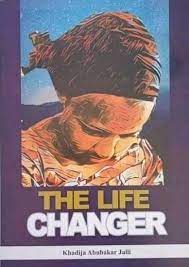
Home » JAMB Syllabus » “The Life Changer” By Khadija A. jalli JAMB Novel – Download FreeAuthor: Khadijat Abubakar Jalli
Number of Pages: 82
Publisher: Academy Press Plc.
In the Unified Tertiary Matriculation Examination (UTME), JAMB includes a compulsory English language section to assess candidates’ comprehension and analytical skills. A recommended novel is part of this section, from which about 10 to 15 questions are drawn. The inclusion of literature encourages students to engage with storytelling and critical thinking. The novel serves as a tool to evaluate understanding of themes, character development, and literary techniques. For the year this novel, The Life Changer by Khadijat Abubakar Jalli, is the recommended text, it provides a window into contemporary issues while engaging the reader with relatable characters and events.
The Life Changer by Khadijat Abubakar Jalli is a captivating novel that offers insights into the lives of university students, showcasing their experiences, decisions, and the life-altering consequences that follow. Through relatable characters and vivid storytelling, the novel highlights the importance of integrity, moral choices, and personal growth.
The story begins with Ummi, a mother of four, narrating her university experiences to her children after one of them, Omar, gains admission into a university. Ummi seizes this moment to impart wisdom and prepare her children for the realities of university life. Her narration shifts to Salma, an outspoken, confident, and intelligent young woman, whose experiences serve as a central focus of the novel.
Salma’s story unfolds as she navigates her way through the challenges of university life. From the outset, she displays a bold and assertive personality, which often puts her at odds with her lecturers and peers. She is a woman of strong opinions but is also prone to making impulsive decisions. One of the most critical events in her life occurs when she attempts to cheat during an examination. Caught in the act, Salma is summoned to the Examination Malpractice and Ethics Committee, leading to her eventual expulsion from the university. This incident serves as a cautionary tale, emphasizing the importance of honesty and the consequences of unethical behavior.
The novel also introduces other characters whose stories intertwine with Salma’s. Talle, for example, is a quiet, withdrawn man from a humble background who becomes involved in a kidnapping plot. His desperation for money drives him to commit a crime, highlighting the social and economic struggles that some individuals face. His arrest and subsequent investigation show the grim reality of poor choices and their life-changing repercussions.
Another subplot focuses on Salma’s interactions with Dr. Dabo, a university lecturer. Despite her provocative behavior, Dr. Dabo remains professional and upright, exemplifying the importance of integrity and ethical conduct in positions of authority. Through these interactions, the novel explores themes of respect, responsibility, and moral discipline.
The friendships and relationships among the characters are also significant. Salma, Tomiwa, Ngozi, and Ada share a bond that provides support and laughter despite their differences in religion and background. Their diverse experiences shed light on the cultural and social dynamics within a university setting, underscoring the importance of unity and understanding.
As Ummi’s storytelling unfolds, it becomes clear that The Life Changer is a moral tale designed to teach young adults about the significance of their choices. The novel portrays the university as a microcosm of society, where students are exposed to freedom, temptations, and challenges. It emphasizes the need to remain steadfast in values, avoid shortcuts, and face consequences with courage.
In the end, The Life Changer leaves readers with a powerful message: life is a series of choices, and every decision—big or small—has the potential to alter one’s trajectory. The novel encourages young readers to embrace integrity and self-awareness, making it an apt and engaging text for JAMB’s curriculum.
The protagonist of the novel is Salma. She is a central figure whose actions and experiences drive much of the story. Salma’s character reflects a mixture of confidence, intelligence, and impulsiveness, which sets the stage for the novel’s critical events. Through her, the author explores key themes such as morality, integrity, and the consequences of choices. Salma’s journey serves as a cautionary tale and highlights personal growth and the repercussions of unethical behavior, making her the focal point of the narrative.
The antagonist in the novel is more abstract and thematic rather than a specific individual. It can be seen as:
Excelling your JAMB Use of English exam starts from knowing what’s expected of you.
Don’t be left behind. Download the 2025/2026 JAMB recommended novel today.
The author of The Life Changer is Khadijat Abubakar Jalli.
The primary theme of the novel is the impact of choices on life, emphasizing morality, personal growth, and the consequences of one’s actions.
The protagonist of the novel is Salma, whose university experiences and choices drive much of the story.
Ummi is the narrator and a mother who uses storytelling to impart life lessons and prepare her children for the realities of university life.
JAMB includes the novel in its Use of English exam, where students answer 10-15 questions testing their understanding of the book’s themes, characters, and events.
Salma is caught engaging in examination malpractice, which leads to her expulsion from the university.
Salma’s story teaches the importance of integrity, discipline, and the consequences of unethical behavior.
Talle is a quiet and humble man who becomes involved in a kidnapping plot due to financial desperation. He is eventually arrested and faces the consequences of his actions.
The novel portrays university life as a microcosm of society, highlighting freedom, temptations, challenges, and the need for responsible decision-making.
Dr. Dabo represents integrity and professionalism in the face of challenges, offering a contrast to the unethical behaviors displayed by some characters.
Religion and culture are significant as the novel portrays characters from diverse religious and cultural backgrounds, fostering themes of unity and mutual respect.
The title reflects the transformative nature of decisions and experiences in life, illustrating how a single event or choice can change one’s trajectory.
Ummi shares her experiences of freedom, challenges, and life lessons, using them as a teaching tool for her children.
Kolawole Abdul, Salma’s accomplice in cheating, is also expelled after being implicated in the examination malpractice scandal.
Friendship is portrayed as a support system, as seen with Salma, Tomiwa, Ngozi, and Ada, who navigate university life together despite their differences.
Talle’s story highlights the dangers of desperation and the importance of staying true to moral values, even in difficult circumstances.
The novel critiques corruption in academic and social institutions, showcasing its impact on individuals and communities.
Salma faces challenges such as adjusting to campus life, interpersonal conflicts, examination pressures, and maintaining her moral compass.
The novel ends with lessons learned, emphasizing that life is shaped by choices and that every decision carries consequences.
The novel is relatable for young adults, as it addresses common challenges, ethical dilemmas, and the realities of modern society, making it ideal for critical thinking and comprehension tests.
The EMEC enforces university rules on examination malpractice. It serves as a turning point in Salma’s story, leading to her expulsion after she is caught cheating.